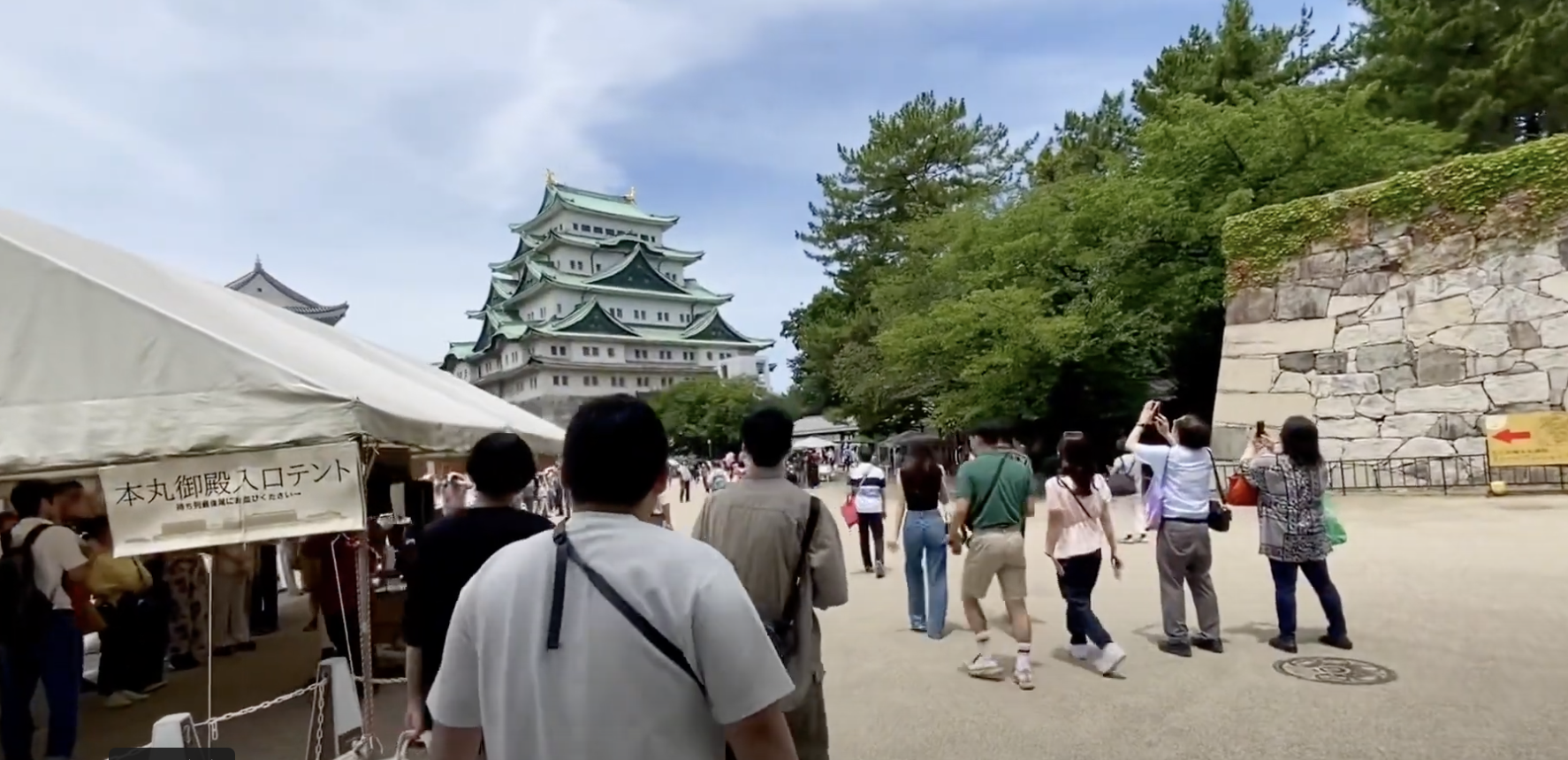
Some cities scream for your attention. Tokyo is a neon-drenched riot, and Kyoto is a serene, beautiful whisper that’s been discovered by the entire damn world. But then there’s Nagoya. It’s a different kind of beast, a city of industry and quiet power that doesn’t feel the need to shout. It’s got a secret, though. A glorious, golden, wood-scented secret hiding behind a labyrinth of stone walls and deep, silent moats. I’m talking about Nagoya Castle.
Forget what you think you know about castles. This isn’t some crumbling, picturesque ruin. This is a full-throated declaration of power, a place where the air still crackles with the ghosts of samurai and the brutal ambition of the shoguns who built it. This is a trip into the very furnace where modern Japan was forged.
Breaching the Fortress: A Labyrinth of Stone and Water
Your first mistake would be to rush. The approach to Nagoya Castle is part of the ritual. You find yourself wandering through a lush, sprawling park, the noise of the city fading behind you, replaced by the rustle of trees and the gentle spray of fountains. There are two main ways in, but the wise traveler takes the East Gate. It’s quieter, a more contemplative path that lets the scale of the place sink in slowly.
The first thing that hits you is the sheer, brutalist poetry of the walls. These aren’t just walls; they are man-made cliffs, assembled from massive, irregular stones that fit together with impossible precision. Flanking them are the moats, some now dry and overgrown with a carpet of green, others filled with a murky, impenetrable water. You get the immediate, gut-level sense that this place was not built to be admired; it was built to break armies and crush spirits. Every gate is a chokepoint, every corner an ambush. You’re walking through a 400-year-old killing field that has been disguised as a beautiful park.
The Rebuilt Titan and the True Treasure
Eventually, you see it. The main castle keep, with its iconic green-tiled roofs and golden dolphin-fish ornaments (kinshachi) glinting in the sun. Now, let’s get something straight: this main tower is a meticulous concrete reconstruction, the original having been turned to ash in the firebombing raids of World War II. But to dismiss it for that is to miss the point. It stands as a defiant symbol of Nagoya’s resilience, a proud monument to its own history.
But the real soul of this place, the true jaw-dropper, lies beside it: the Hommaru Palace. This is the real deal. Rebuilt over a decade using only traditional materials and techniques, this sprawling wooden palace is where the Shogun would have actually lived, held court, and plotted his next move.
To step inside is to be transported. The air cools, and the scent of hinoki cypress wood fills your lungs. You glide in your socks over pristine tatami floors, through a series of rooms that become progressively more opulent. The walls are a masterpiece of Japanese art—sliding screens (fusuma) covered in delicate paintings of tigers, birds, and changing seasons against a backdrop of shimmering gold leaf. The ceilings are coffered and intricately decorated, the woodwork joined without a single nail. This isn’t just a building; it’s a work of art, a place of almost overwhelming beauty and exquisite craftsmanship. You can feel the power in its quiet elegance.
The Verdict: More Than Just a Castle
Nagoya Castle isn’t a quick stop on a bus tour. It’s an experience. It’s the contrast between the raw, military power of its stone walls and the delicate, artistic perfection of the Hommaru Palace. It’s a place where you can watch samurai and ninjas clash in a live performance on the lawn, bringing history to life with a flash of steel.
For a mere 500 yen—about the price of a cheap beer—you get access to this entire world. It’s an absurdly good deal. So take your time. Wander the grounds, get lost in the gardens, and let the sheer scale and beauty of this place wash over you. This is the real Japan, a place of profound contradictions, where brutal strength and delicate artistry exist side-by-side.