The fluorescent fever-dream of Tokyo and the temple-drenched politeness of Kyoto… they’re a fine introduction to the Land of the Rising Sun, but they’re just the appetizer. The main course, the raw, bleeding meat of this country, lies somewhere else entirely. It’s up in the mountains, a place the bullet train map conveniently skips, where the air gets thin and the history gets thick. We were on the hunt for Takayama, the so-called “Little Kyoto,” a nickname that does it a savage injustice. You don’t come here for a polite echo of the former capital; you come here for the thing itself, a town preserved in the dark timber and sharp sake of the Hida mountains.
Forget what the pamphlets tell you. This isn’t a day trip. This is a pilgrimage. You trade the sterile efficiency of the Shinkansen for a chugging local train that winds its way up into the Gifu Prefecture, leaving the concrete jungle to bleed out behind you. What you find is not some quaint, forgotten village, but a living, breathing town, a place where canals still cut through backstreets and the 21st century has yet to fully sink its teeth into the Edo-period bones of the city.
The River Runs Through It: Morning Markets and Ancient Rhythms
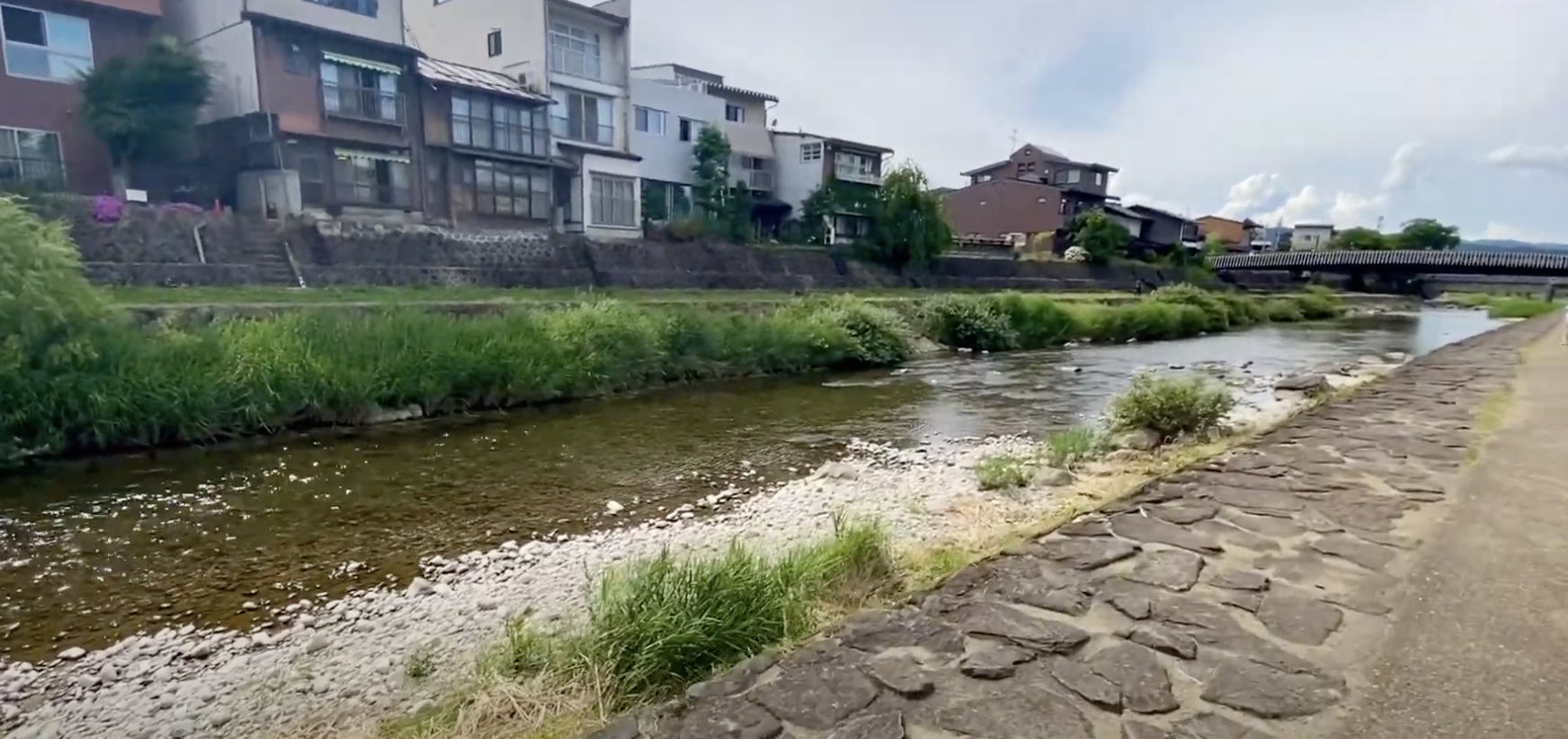
The first thing that hits you is the water. The Miyagawa River slices the town in two, a ribbon of clear, cold mountain runoff that dictates the city’s rhythm. This is where the action starts every damn morning. Forget your hotel breakfast buffet; the real fuel is at the Miyagawa Morning Market. Every day from the crack of dawn until noon, the riverbank transforms into a bustling artery of commerce. Local farmers, old women with faces like ancient maps, set up their stalls, hawking everything from crisp vegetables and homemade pickles to local crafts that haven’t changed in centuries.
This isn’t some tourist pantomime. This is the real deal. You can feel the energy of a tradition that dates back hundreds of years, a place where locals and travelers collide over smoky, soy-glazed mitarashi dango (rice dumplings on a stick) and freshly picked mountain fruit. Down in the river itself, massive koi carp, fat and orange as a sunset, hold their ground against the current, waiting for the odd scrap to fall their way.
A Walk Through Time: The Sanmachi Suji Labyrinth
Cross the iconic, blood-red Nakabashi Bridge, and you plunge headfirst into another century. The Sanmachi Suji, the old town, is a beautifully preserved gut-punch of Edo-period Japan. The three main streets are a maze of dark, latticed wooden buildings, their low eaves hanging over narrow canals. This was a merchant town, and you can still feel the ghosts of commerce in the air.
Today, the old merchant houses are occupied by artisans, craft shops, and, most importantly, sake breweries. You can spot them by the sugidama—large balls of cedar branches—hanging over the entrances, a traditional sign that a new batch has been brewed. Takayama’s trifecta of blessings—pure mountain water, high-quality rice, and cold winters—creates some of the best sake in Japan, and for a few hundred yen, you can wander into these historic breweries and sample the goods. It’s a dangerous and wonderful game.
And then there’s the beef. Hida beef. Forget what you think you know about steak. This is a different animal entirely. A cut of A5-grade Hida is a work of art, a piece of blushing pink meat so intensely marbled it melts on your tongue. You’ll find it everywhere in the Sanmachi Suji, served as sizzling skewers, delicate beef sushi, or inside steaming hot buns. It’s an essential, almost spiritual part of the Takayama experience.
The Shogun’s Shadow: A Visit to the Takayama Jinya
Just a stone’s throw from the old town lies a building that tells a darker, more powerful story: the Takayama Jinya. This wasn’t a castle for a noble lord; this was a government office, the administrative headquarters for the Tokugawa Shogunate, which ruled the Hida province with an iron fist from 1692. Of the 60 or so such outposts that once existed across Japan, the Takayama Jinya is the only one left standing.
Stepping inside is like walking onto a film set. You pass through rooms with pristine tatami mats where officials held court, and you can almost hear the rustle of silk and the quiet murmur of bureaucrats. You see the massive storehouses where rice, the currency of the era, was collected as tax. And you see the chilling interrogation room, a stark reminder of the shogunate’s absolute power. But there’s also a quiet beauty to it, from the tranquil inner gardens to the intricate rabbit-shaped nail covers—charms meant to ward off fire and bring good fortune.
The Verdict: The Real Japan Lives in the Mountains
Takayama is more than just a “Little Kyoto”. It’s a gateway into a different Japan, a place where tradition isn’t just preserved under glass but is lived on the streets, sold at the markets, and brewed in ancient vats. It’s a town that rewards those willing to wander its back alleys and get a little lost in the labyrinth of its history. So, leave the city slickers behind. The savage heart of Japan is beating loud and clear in the mountains, and it tastes a lot like sake and grilled beef.